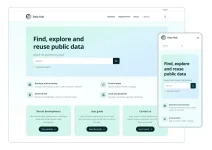
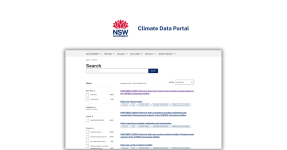
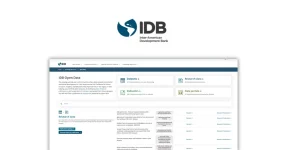
While the Comprehensive Knowledge Archive Network – CKAN provides world-leading infrastructure for data management, overcoming the persistent discovery gap in open data portals is the final frontier of accessibility. For years, organisations have focused on openness, making datasets available, but availability does not equal accessibility.
Link Digital is bridging this gap with Ask AI, an intelligent layer that transforms your CKAN data portal from a passive storage facility into a high-impact insight engine. By enabling natural language interaction, we ensure your data is not just stored but actively used to solve real-world problems.
The core capabilities of an AI-powered data portal
Link Digital’s new Ask AI feature introduces a fundamental shift in how people interact with information systems. Here is how it does this.
Ask a question, get an answer: the chat interface
At the heart of the experience is a simple chat interface that replaces technical search syntax with natural language interaction. Instead of wrestling with exact publisher keywords, researchers and users can ask questions in plain language and receive instant, data-backed answers grounded in your verified files.
Benefit: For data portal users, this turns the portal into a conversational assistant that provides direct answers rather than a list of links to sort through.
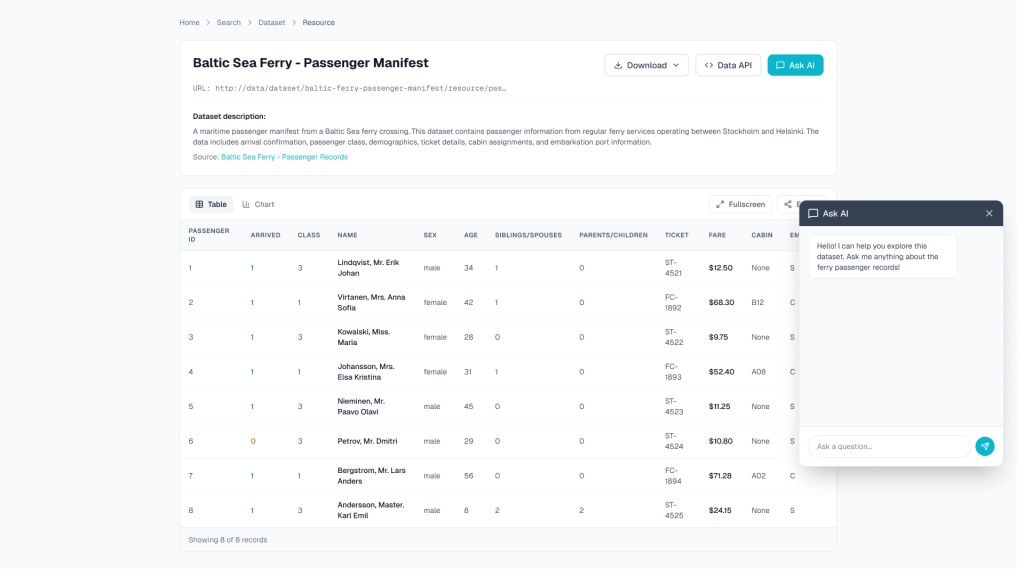
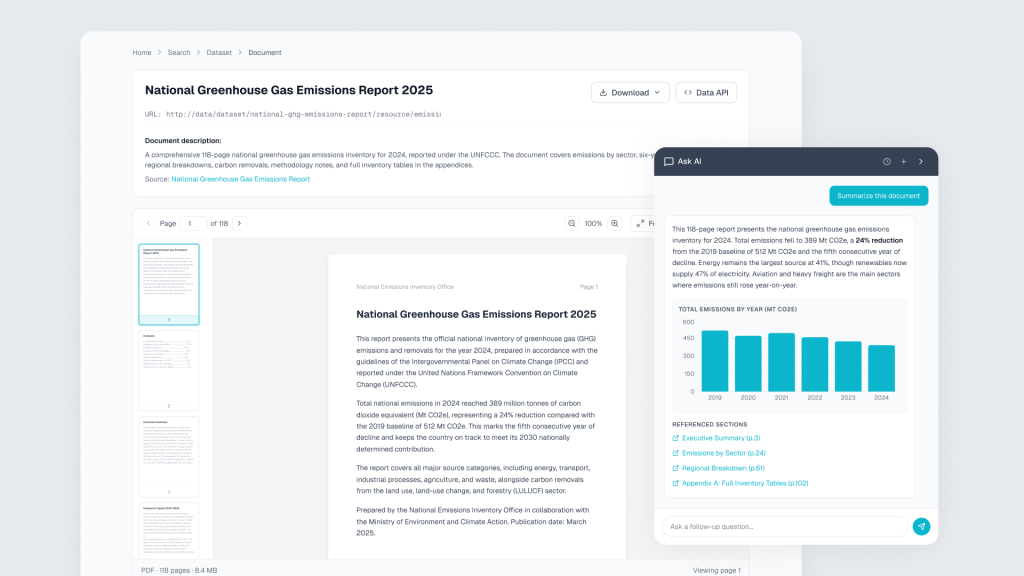
Turn 100-page reports into executive summaries
Navigating multiple PDF reports or massive spreadsheets is no longer a manual chore. Ask AI automatically generates executive summaries from complex documents, instantly transforming static files into usable knowledge. A data portal user can type “What was the average carbon emission in this region last year?” straight into the chat, and Ask AI returns a direct answer grounded in the portal’s data. Because it uses Retrieval-Augmented Generation (RAG), the response is restricted to your verified files, so the AI cannot guess or hallucinate.
Benefit: Users save hours of manual work by extracting key takeaways from lengthy technical reports in seconds.
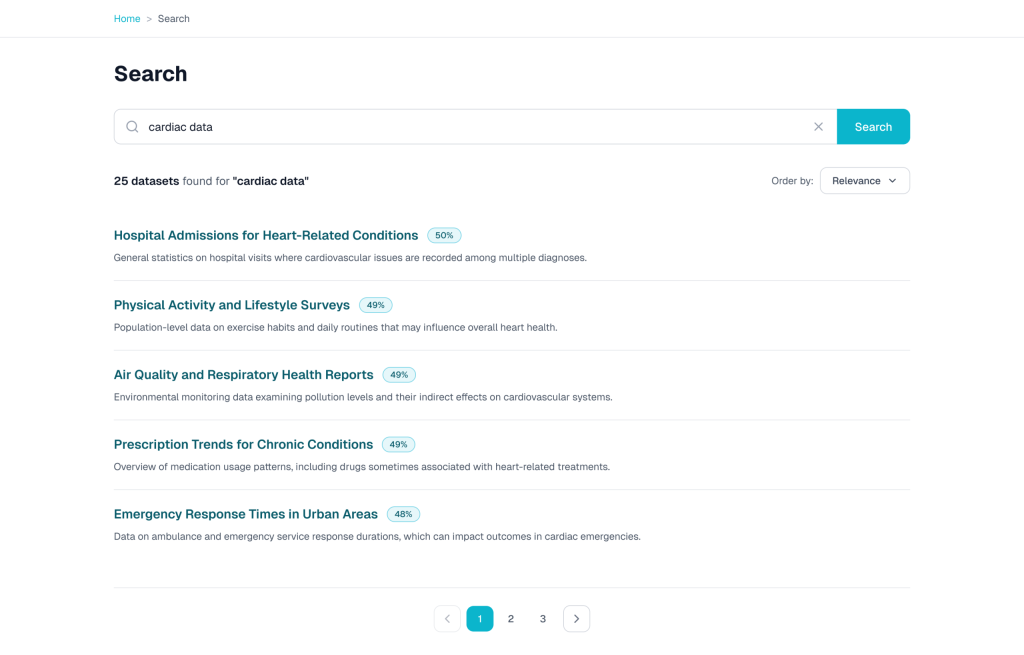
Semantic search: context on the results page
Beyond keyword matching, Ask AI utilises semantic search to understand user intent. When a user searches for specific data, the portal provides immediate context and summaries, allowing users to pinpoint exactly what they need without having to open multiple datasets.
Benefit: Users find the right data even if they don’t know the exact terminology used by the publisher, improving discoverability across inconsistent metadata.
Refine metadata with an intelligent assistant
Good data relies on high-quality metadata. Ask AI acts as an assistant for portal administrators, helping to generate and refine metadata with a single click. This ensures that the data on your portal remains highly discoverable without the burden of having to manually enter and edit it.
Benefit: Administrative teams can maintain a properly categorised portal with significantly less manual effort.
Deep insights with user analytics
To truly understand your portal’s performance and how users are engaging with your new AI features, your admin dashboard needs the critical information in one place. In addition to the Ask AI features above, CKAN enables you to better understand how people are actually using your portal.
Using the ckanext-better-stats extension as a starting point, you can track a range of metrics and monitor user engagement and portal health so you can see what’s being used, what’s being missed, and where to focus next.
Security and data sovereignty: AI use without compromise
Because your data sovereignty is non-negotiable, Ask AI is built with a security-first architecture. Unlike generic AI tools, RAG ensures your data never leaves your secure environment and that any responses are auditable and 100% accurate.
Improve your CKAN portal with Link Digital
If you want to see a demo of Ask AI using CKAN 2.11 or the CKAN 2.12 development branch, you can watch it here.
Link Digital is ready to help you unlock the true potential of your datasets through AI-powered data discovery.